

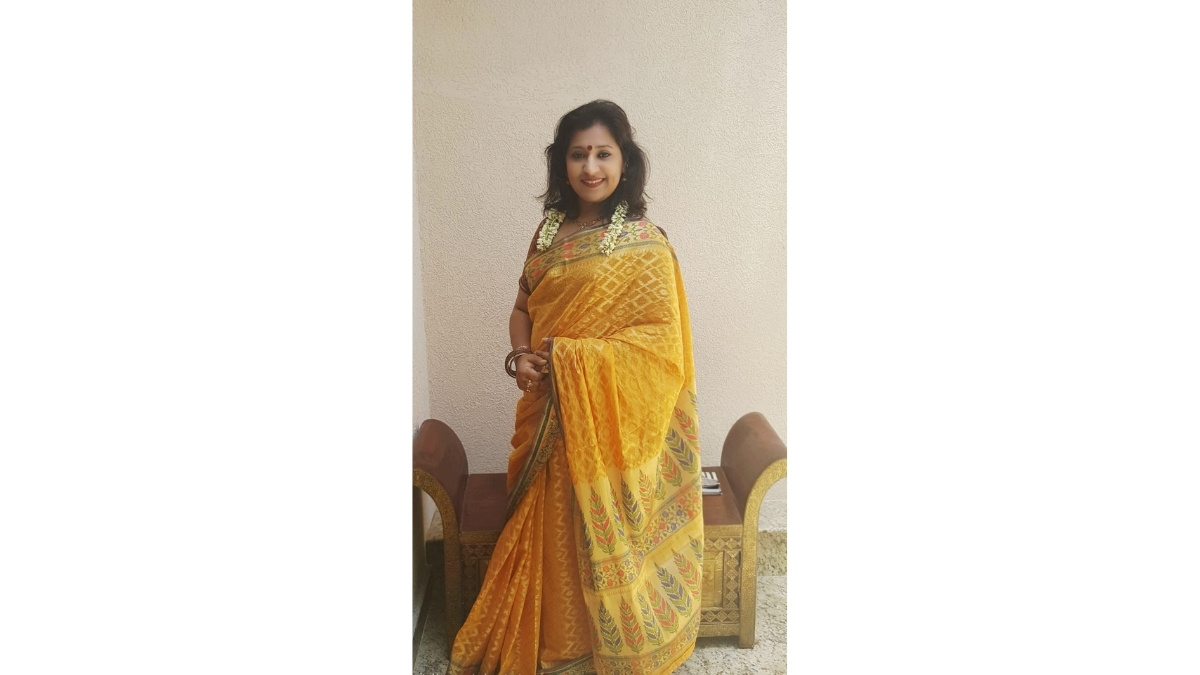
New Delhi [India], February 20: As an interviewer with over 15 years in mental health publishing, I’ve learned this truth the hard way: the deepest wounds rarely scream—they whisper.
Conditional love and emotional neglect don’t leave bruises. They leave blueprints—quiet, internal architectures that shape how adults love, perform, decide, and survive. In this conversation, Dr. Seema Nambiar peels back the layers on one of the most normalised yet misunderstood forms of childhood trauma.
What unfolds is not theory alone—it’s recognition, relief, and a roadmap to healing.
Q1. Dr. Seema, let’s start at the root. Conditional love sounds subtle—almost harmless. Why is it actually so psychologically damaging?
Dr. Seema Nambiar:
Because it teaches a child a devastating equation: love equals performance. When affection is tied to obedience, achievement, or emotional suppression, the child doesn’t learn who they are—they learn how to be acceptable. Over time, the self becomes conditional too. The child internalises, “I am loveable only when I do, not when I am.” That belief doesn’t dissolve with age—it scales into adulthood.
Q2. Many adults say, “Nothing terrible happened in my childhood.” Yet they feel anxious, empty, or never enough. How do you explain this disconnect?
Dr. Seema:
That’s the invisibility of emotional neglect. When pain is normalised, it doesn’t register as trauma—it registers as personality. People don’t say, “I was emotionally neglected.” They say, “I’m too sensitive,” “I overthink,” “I can’t rest.” These are not flaws. They are adaptations to an environment where emotional needs were unmet.
Q3. From your work, what are the most common adult pain patterns rooted in conditional love?
Dr. Seema:
High-functioning anxiety. Chronic self-doubt. Perfectionism that looks like ambition. People-pleasing that masquerades as kindness. A fear of intimacy—or a fear of being alone. Many of these adults are competent, successful, even admired. Internally, though, they’re exhausted from constantly proving their worth.
Q4. The article discusses identity fragmentation. Can you explain what that looks like in real life?
Dr. Seema:
It looks like living through roles instead of essence. Achievement becomes identity. Caretaking becomes identity. Being “strong” becomes identity. But remove the role, and there’s a terrifying question underneath: Who am I if I stop performing? That’s where emptiness and burnout live.
Q5. One striking theme is indecisiveness. Why do adults from critical or conditional homes struggle so much with choices?
Dr. Seema:
Because choice once came with punishment. When a child’s decisions are mocked, corrected, or controlled, they learn to outsource authority. In adulthood, every decision feels loaded—wrong choices once meant loss of love. So the nervous system freezes. Indecision isn’t weakness; it’s fear memory.
Q6. The case studies show people who look “strong” but feel broken inside. How does that split happen?
Dr. Seema:
Strength becomes armour. When vulnerability was unsafe, competence became protection. Many adults build impressive external lives while carrying deep shame internally. They fear being exposed—not as incapable, but as unworthy. Healing begins when strength is no longer used to hide pain.
Q7. Let’s talk healing. Is awareness enough—or does recovery require deeper therapeutic work?
Dr. Seema:
Awareness opens the door. Healing requires relationship. Attachment-based therapy, parts work, inner-child reparenting—these approaches don’t just fix thoughts; they repair emotional trust. Healing isn’t about self-improvement. It’s about self-permission: the right to exist without earning love.
Q8. For someone reading this and recognising themselves—what is the first compassionate step forward?
Dr. Seema:
Stop asking, “What’s wrong with me?”
Start asking, “What happened to me?”
Your patterns were once survival strategies. You’re not broken—you’re patterned. And patterns can be gently, safely rewritten.
Conditional love doesn’t raise bad children.
It raises adaptive adults who forget how to rest, feel, and receive.
This conversation is not an indictment of parents—it’s an invitation to awareness, repair, and conscious healing.
Key Takeaways
• Conditional love teaches performance over presence
• Emotional neglect often hides behind “normal” childhoods
• Adult anxiety, perfectionism, and people-pleasing are survival patterns
• Healing is relational, not motivational
• You don’t need to become better—you need to become safer within yourself
If this conversation resonated, don’t minimise it. Your awareness is already a breakthrough.
Explore therapeutic pathways, resources, and guided healing at: www.skandawellbeing.com
Because love was never meant to be earned.
It was meant to be experienced—unconditionally
If you object to the content of this press release, please notify us at pr.error.rectification@gmail.com. We will respond and rectify the situation within 24 hours.
