

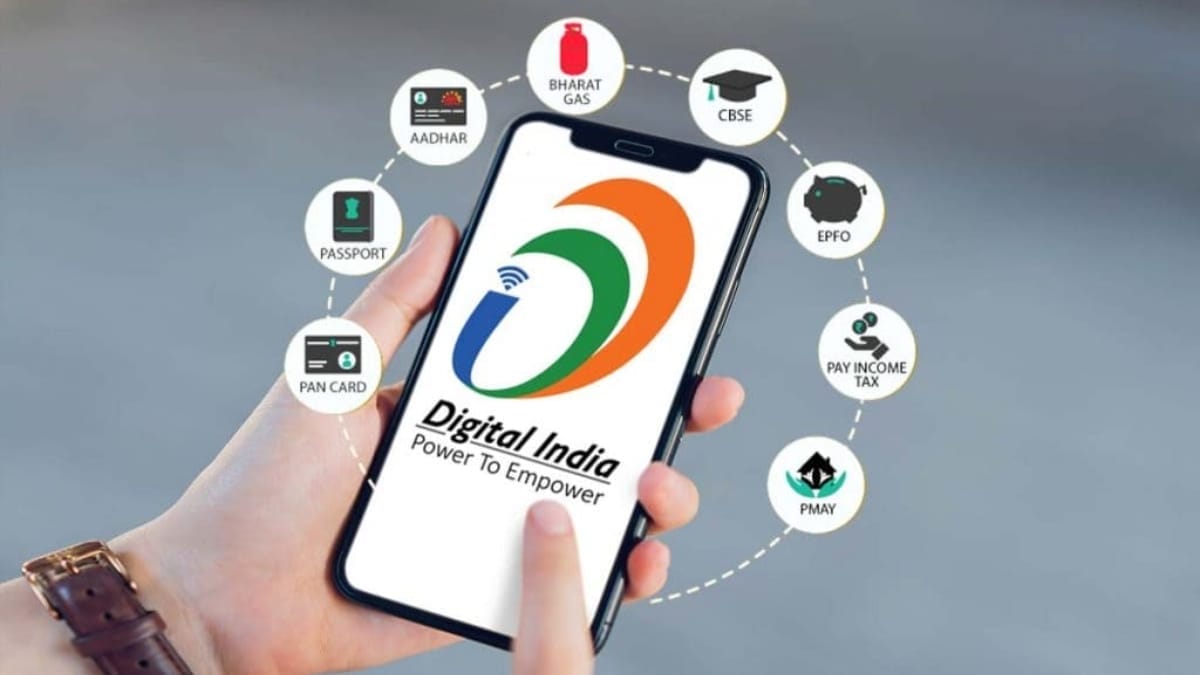
New Delhi [India], September 22: Digital governance in India isn’t just about moving forms online. It’s bigger than that; almost like reshaping the way citizens experience the state. Some of it works beautifully, some of it feels clunky, and a lot sits somewhere in between. But the shift is undeniable, and maybe even overdue.
A growing push toward digital-first services
India’s digital push has roots in projects like Aadhaar, the massive biometric ID program. That alone gave hundreds of millions a verified identity that could plug into everything from bank accounts to ration systems.
Now, the government is doubling down with e-services across health, taxation, and education. According to the World Bank, digital ID systems have already accelerated financial inclusion in many countries, and India’s case is one of the most dramatic.
For everyday people, the change feels gradual. Paying taxes online instead of queuing at a government office. Checking land records with a few clicks rather than chasing down a local clerk. It isn’t always smooth, but it’s faster than before.
Why trust and security matter
With so much personal data floating through digital channels, trust is the fragile currency. Citizens want convenience, but they also worry: who’s watching, and can the system break?
That’s why backend tools like Active Directory auditing tools are quietly significant. They don’t make headlines, but they’re part of the invisible plumbing that keeps government IT accountable. If permissions aren’t tracked, misuse is easier; if logs aren’t kept, breaches go unnoticed.
Interestingly, while governments debate surveillance versus privacy, ordinary people mostly want reassurance that their data won’t leak. A recent Pew Research Center study found that over 80% of adults feel they lack control over how their personal information is used. That sentiment doesn’t stop at borders; it applies just as strongly in India.
Accessibility and uneven progress
Digital governance promises inclusivity, yet India’s digital divide complicates the story. Urban users with smartphones sail through e-portals. Rural communities with weak networks often hit walls.
To bridge this, initiatives like Common Service Centers physical kiosks run by local entrepreneurs help citizens access services digitally, even without their own devices. But it’s not perfect. The experience depends on connectivity, literacy, and sometimes just the willingness of staff to help.
There’s also the generational gap. My father still prefers a paper receipt in his hand. I, on the other hand, feel lost if I can’t track something through an app. Both approaches coexist, sometimes uneasily.
Technology as both tool and temptation
The Indian government isn’t shy about testing new tech. AI-powered chatbots now answer basic questions on portals. Machine learning helps flag fraud in subsidy distribution. Even blockchain pilots have appeared in land record management.
Of course, the temptation is to chase shiny tools without fixing underlying processes. A bot is only useful if the database it connects to is accurate. Fancy dashboards don’t mean much if electricity cuts off in smaller towns.
It’s a bit like the hype cycle we see in consumer tech. A headline about the Google Pixel 10 series having a tele-macro camera excites enthusiasts, but most users just need the phone to work reliably every day. E-governance carries the same tension between “what looks advanced” and “what people actually need.”
Where things could go next
Some experts believe India’s e-governance shift could position it as a global leader in digital public infrastructure. The Unified Payments Interface (UPI) is already a poster child handling billions of transactions monthly, far outpacing systems in wealthier countries.
If that model extends beyond payments to healthcare, welfare, and education, the effects could ripple worldwide. Other countries are already studying India’s experiments. But again, the real test is less about the tech and more about how people experience it whether it reduces bureaucracy or just digitizes its frustrations.
And perhaps that’s the story worth watching. India is trying to balance scale with usability, speed with trust. It’s messy, sometimes contradictory, occasionally inspiring. Maybe that’s the only way digital governance actually works in a country of over a billion people.
If you have any objection to this press release content, kindly contact pr.error.rectification@gmail.com to notify us. We will respond and rectify the situation in the next 24 hours.
