

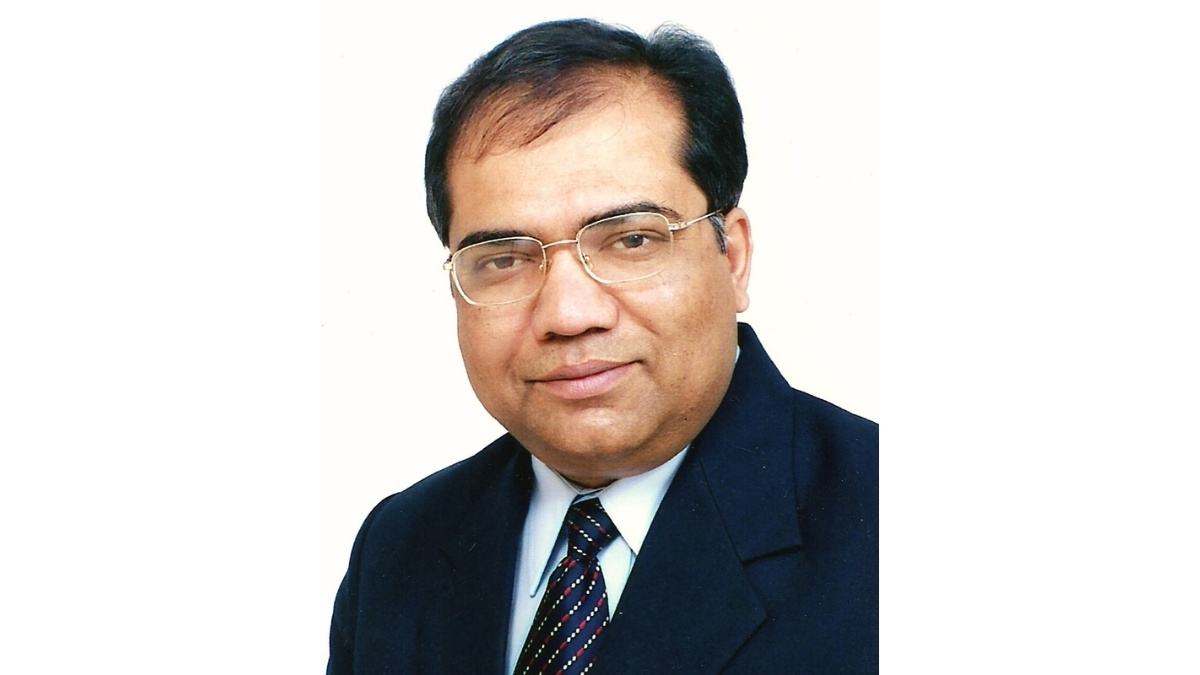
Ayurvedacharya Dr. Harish Verma, B.A.M.S. Gold Medalist, DNM (Canada)
New Delhi [India], February 16: Cancer is a serious and life-threatening disease, and any negligence in its treatment can prove fatal. At present, most cancer treatments involve a combination of surgery, chemotherapy, and radiation therapy, which is considered the standard cancer protocol. When cancer is localized and has not spread extensively, surgery is regarded as the primary treatment, with the objective of completely removing the tumor and preventing the spread of cancer.
Cancer cells divide very rapidly; therefore, chemotherapy is administered through drugs designed to destroy fast-growing cells. However, this treatment is often associated with side effects such as hair loss, nausea, vomiting, weakness, and reduced immunity. Radiation therapy is given after surgery to eliminate remaining cancer cells, shrink tumors, and control pain and bleeding. Common side effects of radiation include fatigue and irritation of the affected skin.
Although these treatments have achieved significant success in saving lives, patients continue to face challenges during and after treatment, including fatigue, weakness, loss of appetite, reduced immunity, mental stress, and the need for rehabilitation. This is why the concept of Integrative Oncology is rapidly gaining popularity worldwide. It combines modern medical treatment with safe supportive therapies to improve patients’ overall health and quality of life.
At a recent press conference, Ayurvedacharya Dr. Harish Verma, head of the Canadian College of Ayurveda & Yoga, announced that a special Ayurvedic formula has been developed for cancer patients based on classical Ayurvedic texts. This formulation combines two groups of medicinal herbs in specific proportions and is administered in an integrative manner.
According to Dr. Verma, this Ayurvedic formula helps maintain strength, immunity, and body weight while improving the recovery process. It also supports the reduction of chemotherapy and radiation side effects, assists in detoxification, and helps strengthen overall health and well-being.
Common Warning Signs of Cancer
Unusual and persistent changes in the body should never be ignored. Early detection greatly increases the chances of successful treatment. Seek medical advice if the following symptoms persist:
• A new lump or swelling in the body, especially in the breast, neck, armpit, or testicles
• Sudden unexplained weight loss, which may indicate problems related to the stomach, pancreas, or lungs
• Persistent weakness or extreme fatigue despite adequate rest
• Long-lasting pain that does not improve with routine treatment
• Unusual skin changes such as thickening, redness, or colour changes
• Persistent cough or coughing up blood for more than 3–4 weeks
• Unusual bleeding from stool, urine, cough, or any other site
• Non-healing wounds, especially mouth ulcers lasting more than three weeks
• Difficulty swallowing food or water
• Changes in bowel or bladder habits, which may indicate colon or bladder issues
*Importance of Nutrition During Treatment*
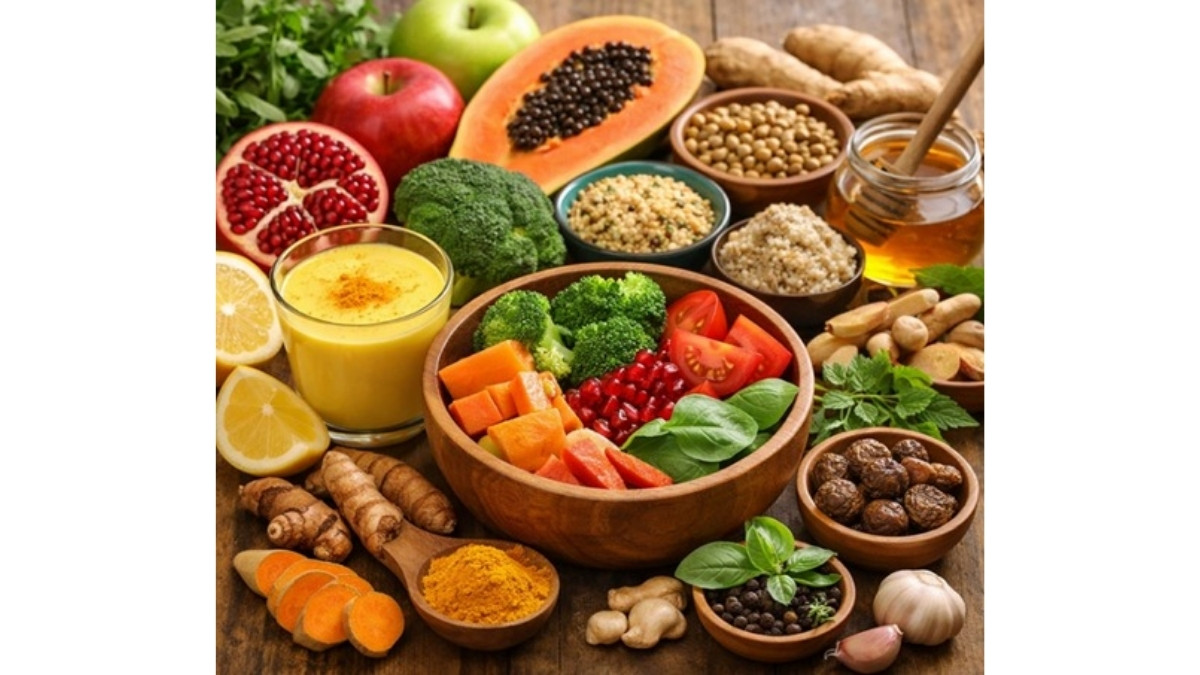
Light and easily digestible food is essential during chemotherapy and radiation therapy. Foods such as khichdi, lentil soup, vegetable soup, porridge, oats, coconut water, fruit smoothies, and curd rice provide energy without overburdening digestion.
To support immunity, turmeric milk, tulsi tea, ginger, black pepper, garlic, amla, and giloy are considered beneficial. Fruits and vegetables such as pomegranate, papaya, apples, carrots, beetroot, broccoli, cabbage, cauliflower, spinach, other leafy greens, and pumpkin should be included in the daily diet. Cancer and chemotherapy can weaken muscles, making adequate protein intake essential. Experts recommend eating small meals every 2–3 hours.
The integration of Ayurvedic supportive care with modern medical treatment is emerging as the future direction of cancer care, aiming to improve patients’ quality of life and ensure better rehabilitation during and after treatment. Patient Helpline: 92207-46669
